
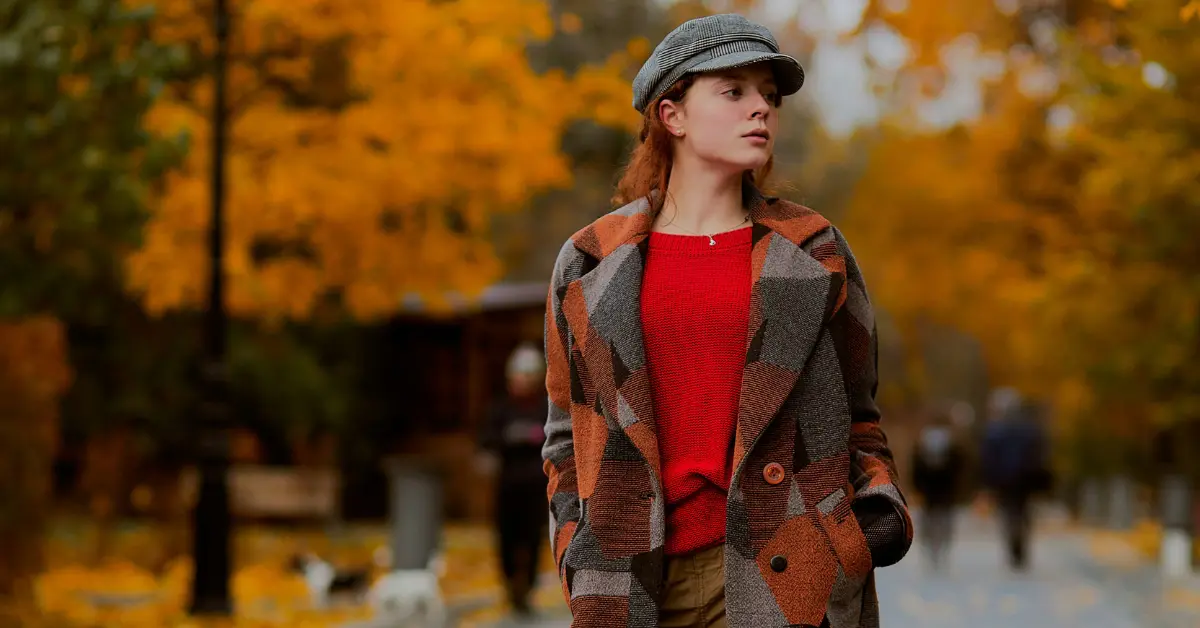
I found my first real vintage piece at a weekend market in late October, three years ago. It was a camel wool coat, double-breasted, with buttons that felt almost too heavy for the fabric. I paid more than I intended, and I wore it every single day for the next four months. That coat is why I got into vintage autumn fashion properly. Not the Pinterest boards, not the editorial spreads. Just one coat that fit in a way nothing I had bought new ever had.
Vintage autumn fashion gets labeled “timeless” constantly, which is technically accurate but misses the point. The reason it works so well in fall specifically is the materials. Wool, tweed, heavy cotton, herringbone. These are fabrics that were designed for weather, not for looking like they could handle weather. A well-made vintage wool coat doesn’t just look warm. It is warm. The weight is different. The structure sits on your shoulders rather than collapsing around them. That’s hard to replicate in anything made in the last decade.
I’ve also noticed that vintage autumn pieces tend to come in exactly the color palette that actually works in October: camel, rust, forest green, burgundy, mushroom, and every possible shade of brown. Not because someone decided these were the trending autumn colors. Because those are the colors that dye well in natural fibers and age gracefully. You can check out autumn fashion must haves for a broader overview, but this post is specifically about the vintage angle.
Below are 20+ looks I’ve been collecting, organized around how I would actually approach building a vintage-leaning autumn wardrobe. Not by era, but by where each piece sits in a real outfit strategy.
Starting With the Coat: Four Outerwear-First Looks
If I had to pick one category where vintage pieces are unambiguously better than new ones, it’s coats. The silhouettes are more interesting, the construction is more durable, and the proportions tend to be more dramatic in exactly the right way. I’d start here before buying anything else.
The Brown Coat That Makes Everything Else a Statement
Long brown coats look ordinary in description and striking in practice. This combination with a matching beret and leather pants is a study in tone-on-tone dressing done with restraint. The sunglasses and structured bag are the smart choice here. Anything flashier would compete with the coat, and you don’t want that. I’d wear this exact combination to a gallery opening or a slow Saturday afternoon in equal measure.
Houndstooth Coat With a Tailored Vest Underneath
Houndstooth got absorbed into mainstream fashion and then quietly became background noise. Vintage houndstooth, especially in a coat cut at mid-calf, still has some edge to it. The tailored vest layered over a blouse underneath the coat is the detail worth noting here. It’s not visible until the coat opens, but it changes the whole silhouette from the front. The high-waisted skirt and earthy accessories keep it from tipping into costume territory.
Plaid Coat and Beret: The Walk to the Market Look
This is the look I actually wear most often in genuine cold weather. Plaid coat in warm autumnal tones, brown beret, leather satchel. It’s not trying to be a fashion statement. It’s trying to be comfortable and presentable while walking through a farmers market on a grey morning. The brown beret is doing more work than it gets credit for. It ties the warm tones of the coat together and keeps the scale balanced. A black beret on this same coat would flatten the whole thing.
Classic Trench Belted at the Waist
The classic black trench is the most borrowed-from-menswear piece in the vintage autumn wardrobe. Cinching it at the waist with a leather belt, ideally a chunky one rather than something delicate, is what keeps it feminine rather than borrowed. The gray skirt and brown boots create a color contrast that holds because there’s not much else competing for attention. A leather satchel rather than a structured handbag completes this. Something that looks used and worn-in rather than pristine.
The Skirt Situation: Five Midi Looks for October
Midi skirts are the most forgiving silhouette in a vintage autumn wardrobe. They work with flat shoes and heels, with tucked blouses and loose sweaters. The key is proportion: the fuller the skirt, the more fitted the top should be, and vice versa. Here are five ways to get that balance right. For fall outfit options beyond vintage, warm autumn outfit ideas covers a wider range of styles.
Red Skirt With a High-Neck Blouse and Beret
A vibrant red skirt sounds like a difficult piece to style, but the warm red-orange tones are actually among the most autumn-appropriate colors you can wear. This combination with a delicate high-neck blouse and a beret keeps the skirt from becoming the costume it could easily be. The beret matches the top in tone, which balances the drama of the skirt. I’d swap the shoes for something chunkier. A mary jane or a chunky loafer would look more intentional with this silhouette.
Plaid Skirt With a Bow Blouse and Gray Tights
Bow blouses are divisive, and I’ve landed firmly in the pro-bow camp. The soft fabric with a knot at the neck is a vintage detail that photographs beautifully and feels just slightly dressed up without requiring heels. Paired with a plaid skirt and gray tights going into loafers, this is the outfit I’d wear to a first meeting where I want to seem like I put thought into getting dressed. The long cardigan is optional. I’d probably leave it at home.
Sweater Vest Over a Cream Blouse, Midi Plaid Skirt
Sweater vests have been cycling in and out of trend for years. This combination with a cream blouse and midi plaid skirt is why they keep coming back: the layering works without adding bulk. The beret echoes the warm brown tones in the skirt pattern, and the loafers close the whole thing without any fuss. The structured bag is a good choice. This look is complete as shown and doesn’t need anything added.
Rust Blouse With Peter Pan Collar and Matching Plaid
Peter pan collars are among the most obvious signals that an outfit has a vintage reference point. This rust blouse with a white collar is the version I find most wearable: the collar is present but small, the color is warm and adult, the matching plaid skirt creates a set-like feeling without being an actual matching set. This combination sits in dark academia territory, but the execution avoids the costume feeling that sometimes comes with that aesthetic. The warm interior setting helps too.
Puff Sleeve Blouse Belted Into a Plaid Midi Skirt
Puff sleeves are the vintage detail with the clearest through-line into current fashion. The high-neck version here with a belted waist and a plaid midi skirt is about as clean a vintage autumn outfit as you can put together. The belt is doing real structural work: it defines the waist and makes the transition between blouse and skirt intentional rather than accidental. I’d wear this to lunch, to a work event on a Friday, anywhere that requires looking put-together without being formal.
Tailored Layers That Don’t Look Like a Costume
The line between “vintage-inspired” and “actually wearing a costume” is thinner than it should be. These five looks stay on the right side of it by keeping the tailoring modern in proportion, even when the individual pieces are vintage in character.
Tweed Blazer, High-Waisted Trousers, Leather Oxfords

A tweed blazer is the kind of piece that gets better with wear. The texture breaks in, the pockets develop character, the shoulder seams relax slightly into something that fits better than anything that came off a rack new. Paired with high-waisted trousers and leather oxfords, this is office-appropriate in the way that actually means something: deliberate and serious without being stiff. The knit scarf is the only casual element, and it’s doing a lot to keep the whole thing human rather than severe.
Trench Coat Over an Argyle Sweater and Crisp Trousers
The argyle sweater under a trench coat is a combination I keep returning to because it brings two very different references together into one outfit: the anglophile sweater pattern and the utilitarian coat cut. They work because the trench is long enough to create a unified silhouette. The white shirt collar visible at the neck connects it all. The loafers close it without adding anything flashy. I’d wear this on a crisp October morning without second-guessing it.
Plaid Blazer With Cropped Trousers and Loafers
The cropped trouser with a blazer is a proportion that photographs better than it sounds. Showing a bit of ankle keeps the whole thing from feeling heavy, especially when the plaid is busy. This version with a simple white tee underneath is what I’d actually reach for on a weekday. The crossbody bag is a good call here. This isn’t a structured handbag situation. The casualness of the bag balances the formality of the blazer, which is exactly the tension that makes this kind of outfit interesting.
Plaid Coat, Vest, and Tie: The Considered Layering
A tie under a vest under a coat is a lot of layers and a lot of pattern. This works because everything stays within the same color family, keeping the eye from bouncing around. The long plaid coat grounds it. This is a look for someone who has thought about how clothes work and wants to show that. It wouldn’t belong at most corporate offices. But at a weekend in the city, or somewhere creative, it’s genuinely striking. The tie could afford to be loosened slightly. The knotted precision feels too stiff for the rest of it.
Tweed Blazer, White Blouse, Flowing High-Waisted Trousers
A tailored tweed blazer over wide-leg trousers has a kind of effortlessness that took me a while to understand. The structured top half contrasts with the movement in the trousers in a way that neither piece could create alone. The white blouse visible at the collar is the pivot point connecting the two halves without announcing itself. Check out autumn dress outfit ideas if you want the skirt alternative to this silhouette.
The Details That Signal Vintage
These last seven looks are about the specific details that mark vintage autumn fashion: pattern mixing, unexpected color combinations, accessories that are more statement than accent. There’s also a broader point here about how the European autumn fashion tradition has always leaned into these elements more comfortably than American fashion.
Rust Ribbed Sweater With a Plaid Maxi Skirt
The ribbed sweater in rust with a plaid maxi skirt is pattern-on-texture rather than pattern-on-pattern, which makes it easier to wear than it sounds. The warm hue of the sweater needs to match at least one tone in the plaid. When that’s right, the two pieces look like they were planned together. When it’s off, it looks accidental. This combination gets it right. The high-waisted skirt does the structural work, the ribbed sweater adds warmth without adding bulk, and the overall proportions hold.
Burgundy Top, Navy A-Line Skirt, Mary Jane Heels
Burgundy and navy is an underused color combination. They’re both deep tones but from different parts of the spectrum, and together they feel more sophisticated than two neutrals would. The mary jane heels are the detail that places this firmly in retro territory. Flat ones would make it feel more contemporary. A crossbody satchel with a bit of age to it completes this. I’d wear this somewhere I wanted to seem like I knew my fashion history without broadcasting it.
Plaid Blazer With Black Leggings and Brown Riding Boots
The riding boot is a vintage-adjacent piece that never fully disappeared. In combination with a tailored plaid blazer and black leggings, it’s a weekend look that’s more put-together than jeans but less formal than a trouser. The leather gloves are a statement. I’d only reach for them on a genuinely cold day, but when the temperature justifies it, they add exactly the kind of old-fashioned specificity that makes vintage autumn fashion different from just wearing fall clothes.
Denim Shirt, High-Low Patterned Skirt, Wide-Brimmed Hat
The wide-brimmed hat is the most committing piece in this outfit. It announces that you are making a choice and you know it. The denim shirt cinched with a brown belt over a flowing patterned skirt is a bohemian reference within the vintage autumn fashion space. The knee-high suede boots anchor the whole thing. This is a look for somewhere outdoors: a weekend market, an outdoor event in October. It would look out of place at a desk but entirely right in open air.
Long Brown Vintage Coat in Earthy Tones

A longer brown vintage coat in warm earthy tones is one of the most versatile pieces in this category. The cut here is clearly structured, with visible tailoring at the waist and a substantial hem. The wide, flat collar is a period detail that makes it look vintage rather than contemporary. This is the type of coat I’d suggest as a starting point for building a vintage autumn wardrobe from scratch. One good coat changes how you approach everything else.
Couple Look: Layered Knitwear and Classic Coats
Couple styling in vintage territory works when both outfits are solving the same problem: warmth with intention. Wool trousers, cozy sweaters, and classic coats in a shared color palette. The checkered scarf is the piece connecting the two looks without making them identical. This kind of coordinated dressing is less about matching and more about both outfits belonging to the same wardrobe sensibility. The umbrellas are a nice touch, very much in character with the overall aesthetic.
Tailored Tweed Suits With Classic Hats
Tailored tweed suits in a couple context represent full commitment to the aesthetic. These aren’t vintage-adjacent. They are vintage-committed. The hats, the boots, the leather accessories, the choice to match the palette across both outfits. This is a reference to a specific British country dressing tradition that still feels completely wearable and grounded. I’d wear the women’s version on a cold October weekend without hesitation. The hat would need to fit right. Everything falls apart if the hat is wrong.
FAQ
How to make an outfit look vintage?
Look for specific silhouettes: high-waisted bottoms, boxy or structured blazers, full midi skirts. The silhouette signals era more reliably than any single item. Then choose fabrics with weight and texture: wool, tweed, heavy cotton. Synthetic fabrics made to look like natural ones rarely photograph as vintage. Accessories complete the shift. A brooch, a proper leather belt, or a beret can anchor an otherwise contemporary outfit in vintage territory.
How can I look stylish in autumn?
Start with one strong outerwear piece and build around it. A well-cut coat in camel, brown, or plaid does most of the visual work in autumn. Under it, layer textures: a knit against a woven, a smooth blouse under a rough tweed. Choose autumnal tones such as burgundy, mustard, forest green, and rust rather than defaulting to black. Boots in a warm brown rather than stark black often work better with fall palettes.
How do I start wearing vintage?
Start with one category and get specific about it. Coats are a good first purchase because sizing is more forgiving and quality differences are immediately obvious. Visit actual thrift stores and vintage markets rather than online shops at first. You need to handle the fabric to know if it is worth buying. Mix vintage pieces with contemporary basics. A vintage blazer over modern trousers is approachable. Head-to-toe vintage takes more practice to wear without looking like a character.