
I was browsing Pinterest for some winter-style inspiration and got completely hooked on the effortlessly cool vibe of New York fashion. Here are some of my favorite looks that capture the city’s stylish winter energy!
NY Winter Fashion Ideas To Look Outstanding
Winter Chic in NYC Style

Stay cozy and stylish this winter with a long black coat, leather leggings, and white sneakers. Add a neutral beanie and a chic crossbody bag to complete your New York City look.
Winter Fashion in NYC

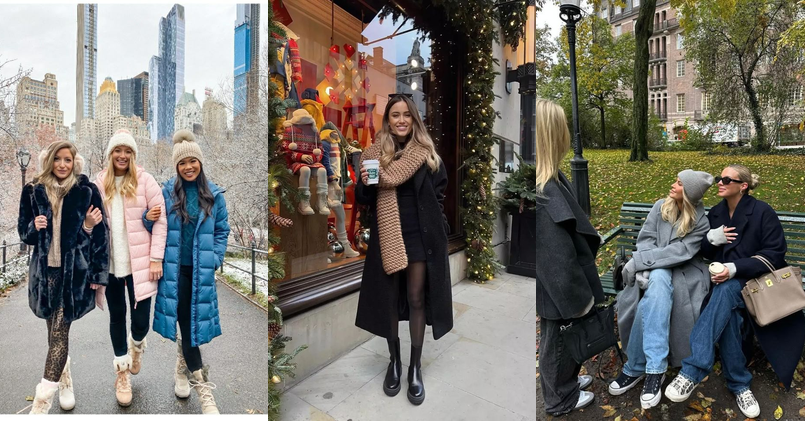
Embrace New York City’s winter charm with chic faux fur coats, cozy knit beanies, and stylish snow boots. Opt for a plush black coat with animal print leggings, a pastel pink puffer over a white sweater, or a long blue down jacket for ultimate warmth. Stay fashionable and snug in the cold with these trendy winter essentials.
Winter Style Made Effortless

Stay chic and cozy this winter with a stylish long black coat paired with a classic gray sweater and black pants. Complete the look with a trendy black beanie, white sneakers, and a quilted crossbody bag for an effortlessly cool street style.
Cozy Winter Fashion in NYC

Embrace cozy winter fashion in New York with oversized wool coats, chunky knit beanies, and relaxed-fit jeans. Pair your look with stylish sneakers and a statement handbag for a chic yet comfortable ensemble.
Winter Style Made Effortless

Stay cozy and stylish this winter with a long black coat, thick knit scarf, and ankle boots. Pair it with sheer tights and a simple dress for a chic, effortless look.
Winter Chic in NYC

A cozy, stylish faux fur coats like these. Pair them with comfy boots, crossbody bags, and a beanie for a chic, warm look.
Winter Style in New York

A cozy white coat, paired with a vibrant red beanie and a chic crossbody bag. Don’t forget your gloves and scarf to stay warm while enjoying the festive city lights.
Winter Style Made Easy

Stay cozy and stylish this winter with a puffer jacket, wide-leg jeans, and combat boots. Add a trendy houndstooth bucket hat for a chic touch.
Winter Style in New York

A cozy puffer jacket layered over dark pants, paired with a vibrant green scarf and matching earmuffs for a pop of color. Complete your look with warm gloves and sturdy boots to navigate the snowy streets in style.
Chic NYC Winter Style Guide

A chic combination of a gray coat, black leather leggings, and sturdy combat boots. Top off your look with a stylish baseball cap and round sunglasses for a trendy yet practical ensemble perfect for city adventures.
Winter Style Essentials for NYC

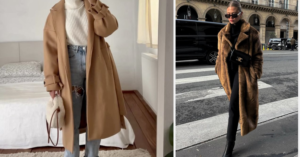
Stay warm and stylish this winter in NYC with a cozy oversized brown coat, black leather leggings, and chunky black boots. Complete the look with a black scarf and crossbody bag for the perfect blend of comfort and chic.
Winter Style Made Easy

A chic black puffer jacket and matching pants, accented by a vibrant green scarf for a pop of color. Complete the look with comfortable white sneakers for a stylish stroll through the city.
Winter Chic in NYC Style

A cozy shearling-lined aviator jacket, paired with a chic mini skirt and thigh-high boots. Complete your look with a warm knit beanie, oversized sunglasses, and a stylish beige handbag for a touch of sophistication.
Winter Chic in NYC Style

A chic black leather jacket paired with a cozy black top and relaxed-fit jeans. Complete the look with stylish black and white sneakers for an effortlessly cool city vibe.
Winter Chic Made Effortless

Stay cozy this winter with a chic shearling-lined leather jacket, paired effortlessly with relaxed-fit jeans and sleek brown ankle boots. Add a pair of stylish sunglasses for a touch of sophistication during your coffee run.
Winter Style in NYC

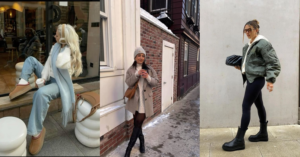
Embrace NYC winter fashion with a cozy, oversized teddy coat paired with a chic crossbody bag. This look is perfect for staying warm while exploring the city in style.
Winter Chic in New York

A chic mix of comfort and style. Pair a sleek black blazer with wide-leg pants and a fitted green top, and finish the look with a casual baseball cap and white sneakers for a trendy, urban vibe.
Winter Warmth in NYC Style

A fur-lined parka, chunky knit sweater, and warm snow boots. Don’t forget a crossbody bag for convenience and a hot drink to keep you warm on the go.
Winter Chic Made Easy

A black coat, skinny jeans, and warm boots. Complete your look with sunglasses for a touch of chic urban flair. Perfect for a day out in the city!
Winter Chic in New York

A cozy black puffer jacket paired with classic blue jeans and stylish black boots. Add a chic black handbag to complete your city look.
Cozy Chic for NYC Winters

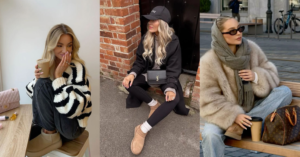
A cozy, oversized striped poncho paired with classic black jeans and high-top sneakers. This effortlessly chic look is perfect for exploring the city while staying warm.
FAQ
How can I get good style in the winter?
To achieve good style in the winter, focus on layering with both warmth and fashion in mind. Combine sleek outerwear, such as a tailored coat, with stylish sweaters and accessories like scarves and gloves. Opt for high-quality fabrics and classic colors to ensure your winter wardrobe is both functional and chic.
How many layers to wear in New York in winter?
In New York winter, aim for at least three layers: a moisture-wicking base layer, an insulating middle layer like a sweater or fleece, and a weatherproof outer layer such as a coat. This layering strategy helps you stay warm while allowing you to adjust your outfit based on indoor and outdoor temperatures.
What shoes to wear in New York in winter?
In New York winter, wear waterproof, insulated boots with good traction to handle snow and ice. Choose styles that provide warmth and comfort while maintaining a sleek, urban look, and consider options with slip-resistant soles for added safety on slippery sidewalks.