
Italian winter fashion has a reputation for effortless elegance, but the reality is more
disciplined than it looks. The Italian approach to cold-weather dressing is built on a
few consistent principles: quality over quantity, fit above all else, and a color palette
that works because it doesn’t try too hard.
This guide breaks down what Italian winter dressing actually consists of — the specific
garments, the color logic, the layering approach — and how to apply it whether you’re
in Milan or Minnesota.
The Core Philosophy: Sobrietà
Italian style is defined by sobrietà — sobriety, restraint. Where American winter
dressing often trends toward statement pieces and visible branding, Italian dressing
trends toward understatement. The coat is the hero. Everything underneath supports it.
This matters practically: it means you invest heavily in outerwear and keep everything
else simple. A €600 coat worn over a €30 turtleneck looks better than the reverse.
The Capsule: 6 Pieces That Define the Look
1. The Tailored Coat
Not a puffer. Not a parka. A structured, knee-length coat in camel, charcoal, or black.
This is the non-negotiable anchor of Italian winter dressing. Wool or wool-cashmere blend.
Single-breasted, notch lapel, clean silhouette. If the coat has visible logos or decorative
hardware, it’s not Italian in spirit.
2. A Fine-Knit Turtleneck
Worn under everything. Black or ivory. Merino wool if you can, cotton if you can’t.
It eliminates the need for a scarf when tucked under the coat collar, and it makes even
jeans look intentional.
3. Straight-Leg or Tapered Trousers
Not skinny, not wide-leg. A clean, straight or slightly tapered trouser in navy, dark
grey, or camel. These work with boots, loafers, or clean white sneakers depending on
how dressed-down you want the look.
4. Ankle Boots with a Low Block Heel
The Italian approach to footwear in winter is leather ankle boots — understated, polished,
and functional enough to walk cobblestones. Pointed or almond toe. No chunky platform.
5. A Structured Leather Bag
Crossbody or shoulder bag. Dark brown, black, or cognac leather. The bag should look
like it was chosen deliberately, not grabbed off a sale rack.
6. A Cashmere or Wool Scarf
Draped, not tied in an elaborate knot. Camel, ivory, or dark plaid. The scarf is functional
first — it adds warmth without bulk — and visual second.
The Color Logic
Italian winter palettes are built on neutrals that work together: camel + black, navy +
ivory, charcoal + burgundy. The rule is no more than two colors in an outfit, with one
dominant and one accent. This isn’t limitation — it’s the reason the outfits look
cohesive instead of effortful.
Burgundy, forest green, and deep rust are the acceptable accent colors for winter.
Avoid anything overly bright — it works against the sobrietà principle.
Where Pinterest Gets It Right (and Wrong)
Most Italian winter fashion boards show the output correctly — beautiful coats, clean
layering, polished shoes. What they don’t show is the selection process: the ten cheaper
options that were rejected before the right coat was found, or the three years a pair of
boots was worn before they looked perfectly broken in.
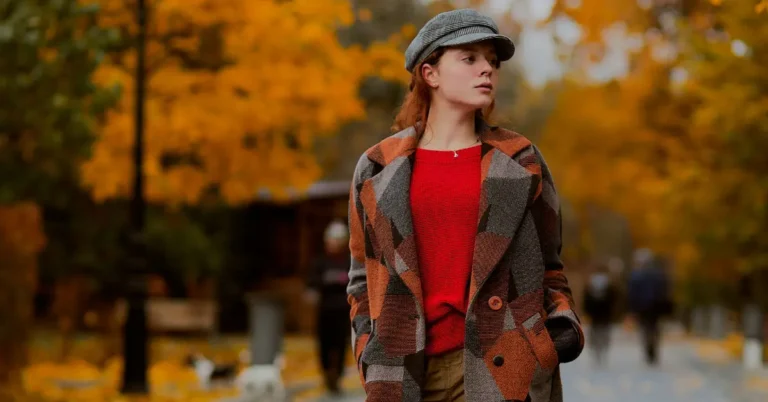
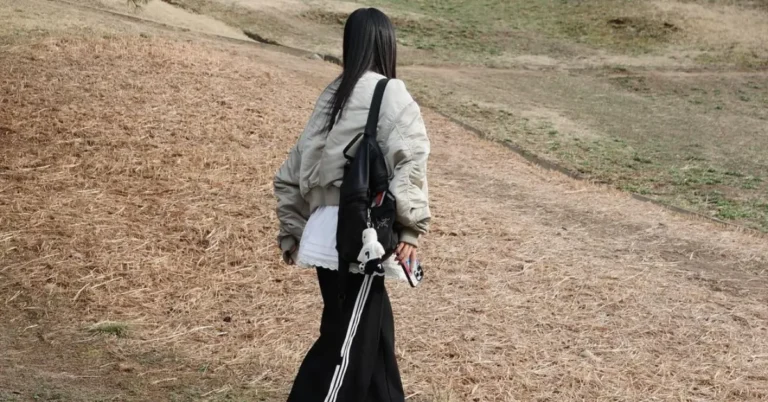
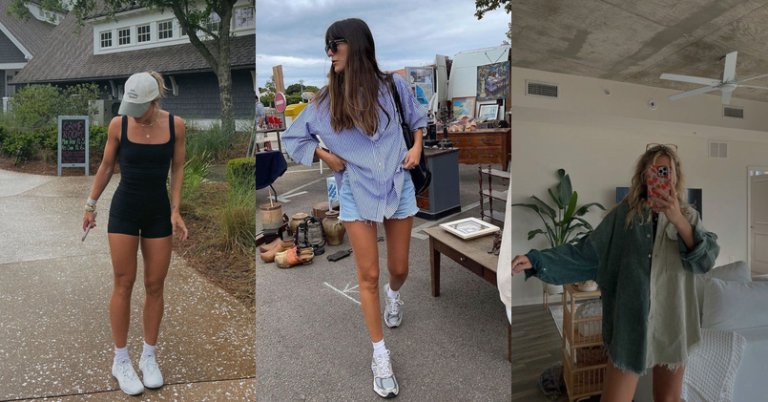
The images below are accurate inspiration. The lesson isn’t “buy these specific items” —
it’s “apply this level of selection to whatever is in your budget.”
The Core Philosophy: Sobrietà
Italian style is defined by sobrietà — sobriety, restraint. Where American winter
dressing often trends toward statement pieces and visible branding, Italian dressing
trends toward understatement. The coat is the hero. Everything underneath supports it.
This matters practically: it means you invest heavily in outerwear and keep everything
else simple. A €600 coat worn over a €30 turtleneck looks better than the reverse.
The Capsule: 6 Pieces That Define the Look
1. The Tailored Coat
Not a puffer. Not a parka. A structured, knee-length coat in camel, charcoal, or black.
This is the non-negotiable anchor of Italian winter dressing. Wool or wool-cashmere blend.
Single-breasted, notch lapel, clean silhouette. If the coat has visible logos or decorative
hardware, it’s not Italian in spirit.
2. A Fine-Knit Turtleneck
Worn under everything. Black or ivory. Merino wool if you can, cotton if you can’t.
It eliminates the need for a scarf when tucked under the coat collar, and it makes even
jeans look intentional.
3. Straight-Leg or Tapered Trousers
Not skinny, not wide-leg. A clean, straight or slightly tapered trouser in navy, dark
grey, or camel. These work with boots, loafers, or clean white sneakers depending on
how dressed-down you want the look.
4. Ankle Boots with a Low Block Heel
The Italian approach to footwear in winter is leather ankle boots — understated, polished,
and functional enough to walk cobblestones. Pointed or almond toe. No chunky platform.
5. A Structured Leather Bag
Crossbody or shoulder bag. Dark brown, black, or cognac leather. The bag should look
like it was chosen deliberately, not grabbed off a sale rack.
6. A Cashmere or Wool Scarf
Draped, not tied in an elaborate knot. Camel, ivory, or dark plaid. The scarf is functional
first — it adds warmth without bulk — and visual second.
The Color Logic
Italian winter palettes are built on neutrals that work together: camel + black, navy +
ivory, charcoal + burgundy. The rule is no more than two colors in an outfit, with one
dominant and one accent. This isn’t limitation — it’s the reason the outfits look
cohesive instead of effortful.
Burgundy, forest green, and deep rust are the acceptable accent colors for winter.
Avoid anything overly bright — it works against the sobrietà principle.
Where Pinterest Gets It Right (and Wrong)
Most Italian winter fashion boards show the output correctly — beautiful coats, clean
layering, polished shoes. What they don’t show is the selection process: the ten cheaper
options that were rejected before the right coat was found, or the three years a pair of
boots was worn before they looked perfectly broken in.
The images below are accurate inspiration. The lesson isn’t “buy these specific items” —
it’s “apply this level of selection to whatever is in your budget.”
Style Inspiration


What makes Italian winter fashion different from French winter fashion?
French dressing prioritizes effortlessness — the intentionally undone scarf, the slightly disheveled hair. Italian dressing prioritizes precision — the coat that fits perfectly, the shoes that are polished. Both result in stylish outfits; the attitude behind them differs.
What’s a realistic budget for building this look?
The coat is where to spend: €200–500 for a quality wool option. Everything else can be moderate. A total outfit of €400–600 is achievable, with the coat lasting 10+ years if you buy well.
Can this work for casual everyday wear, not just dressed-up occasions?
Yes — swap the trousers for well-fitted dark jeans, the leather boots for clean white sneakers, and keep the coat. The result is casual but unmistakably put-together. This is the Italian off-duty look.