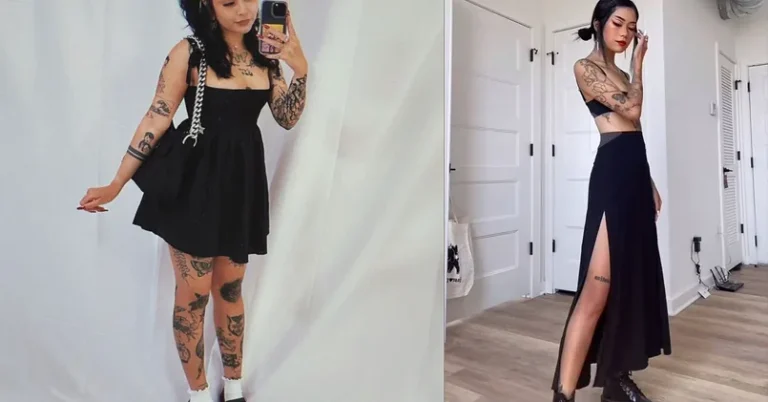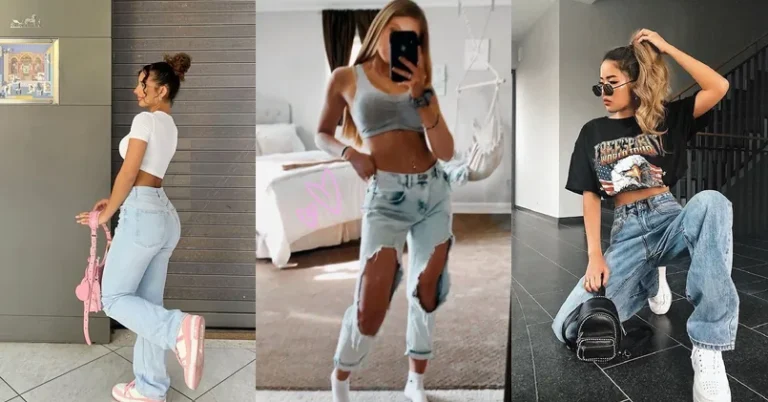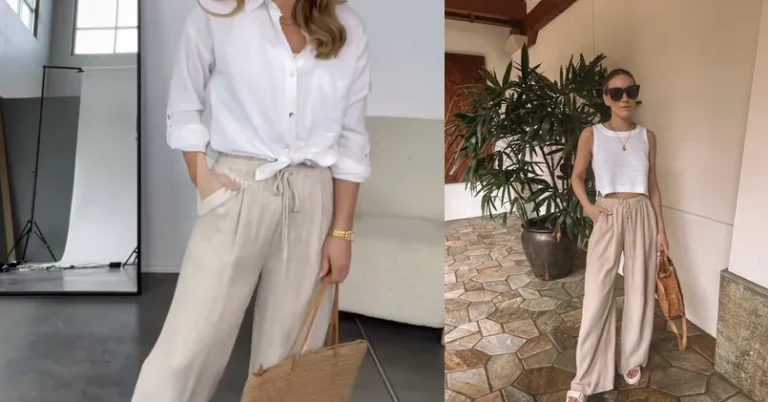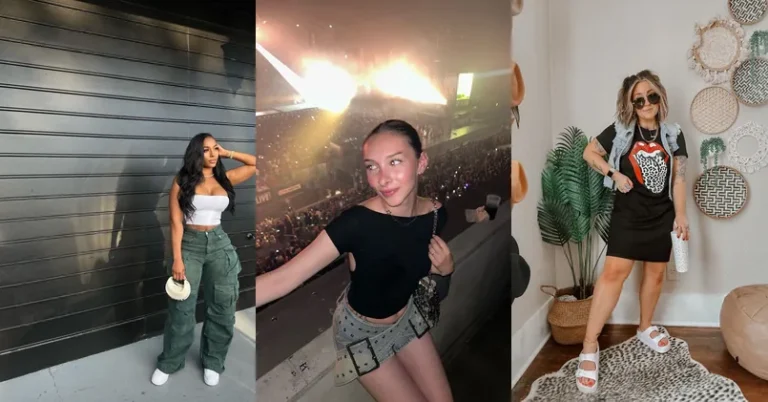

I packed for a long weekend in the South of France three summers ago, standing in front of my wardrobe at six in the morning trying to figure out what to bring for five days of warm weather with no particular agenda. Not the beach. Not a formal dinner. Just five days of summer, loosely structured, mostly outdoors. I had twenty minutes before the taxi arrived. I packed wrong: chose the impressive pieces, the silk dress that needed ironing, the white trousers I’d never actually worn. I spent most of the trip in one linen shirt I’d almost left behind because it seemed too ordinary.
That trip taught me something I’ve been refining since: most people approach comfy summer outfits as a concession, something you settle for when the occasion doesn’t require effort. I think that’s backwards. The most comfortable summer looks I’ve put together have required more thought, not less, precisely because the obvious options (the first t-shirt that’s clean, whatever shorts are near the door) tend to look exactly like what they are. Comfort that looks intentional is harder to build than most people realize, and that gap is where the interesting outfits live.
Three things determine whether a comfortable summer outfit actually works: fabric weight, proportion, and one piece that carries the look. Linen wide-leg trousers almost always look more considered than cotton jersey shorts, and both are equally easy to wear. A polo shirt over bike shorts is a choice. A plain t-shirt with track pants is an accident. I’ve started building around the single-piece rule on hot mornings when I don’t want to think: pick the thing I know works, add two items that support it, and stop. It takes three minutes and performs better than a thirty-minute deliberation most days.
The looks below are ones I keep returning to. I’ve organized them not by occasion but by what the outfit is actually doing, because the best comfy summer outfits don’t usually stay in one lane. Some of these translate from the beach to lunch without anything changing. Some are for days when you want to look like you tried without actually trying. If you’re starting from scratch, my roundup of casual summer outfits that stay cool and look intentional covers the foundational pieces worth investing in first.
The Basics That Actually Work
A White-and-Green Combination That Looks Like a Choice

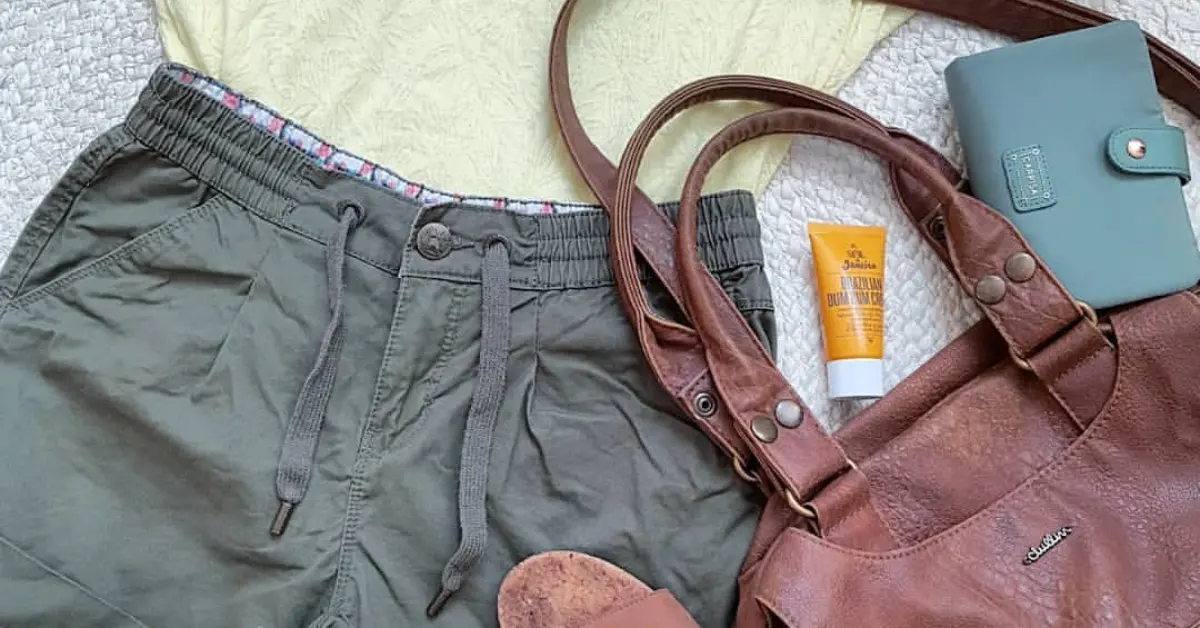
White and green is one of the summer pairings I rely on most, and the reason is simple: the palette does the work so the outfit doesn’t have to. What makes this combination hold up is the specific tone of green. Sage, soft olive, or dusty eucalyptus rather than bright or neon. Those muted greens sit closer to neutrals than statements, which means the whole look stays quiet even when the color contrast is present. I’d build three or four outfits around this palette before committing to prints. Once you have a consistent green tone and two or three white pieces, most of the getting-dressed problem solves itself through summer.
The Summer Look I Reach for When Nothing Else Is Decided

There’s a category of summer outfit I think of as a landing look: nothing ambitious, nothing planned, just something that holds together regardless of what the day turns into. This is that. The combination here relies on a mid-weight top with clean lines over a comfortable bottom that has some structure. Not leggings, not joggers, something with a defined shape. The proportions are balanced: a top with some volume, a bottom that isn’t adding any. It’s a formula, and formulas work precisely because they don’t require creative energy on low-effort mornings. The best version of this formula involves one item you spent real money on and two you didn’t.
Why a Drop-Sleeve Crop Changes the Silhouette More Than Expected

The drop sleeve is something I misunderstood for years. I thought it was just a relaxed shoulder. What it actually does is redistribute the visual weight of the top: the shoulder sits wider, which balances the cropped hem, and the whole thing looks intentional rather than oversized. A standard crop top cuts across the middle and can feel abrupt. A drop-sleeve crop creates a more gradual visual transition from shoulder to hem. For a comfy summer outfit, this matters because it’s the detail that makes the look considered rather than convenient. I’ve been wearing the version from Arket in their medium-weight cotton jersey for two seasons now. It washes well, doesn’t stretch out at the hem, and works with wide-leg linen trousers or high-waisted denim equally well.
Denim Shorts Without the Formula Feel

Most people wear denim shorts with a plain t-shirt and consider the outfit solved. The combinations I find most useful pair denim shorts with something that has more presence: a structured linen shirt left open, a polo, a top with a distinctive cut. The shorts stay casual; the top does the styling work. In this look, the top-and-shorts balance works because neither piece competes for attention. One leads, one follows. I’d look for shorts with a slightly longer inseam (four to five inches) if you’re planning to actually move in them across a full day. The shorter cuts photograph well; the mid-length cuts work in practice from morning to evening without adjustment.
Lounge Style Worth Leaving the House In
A Comfy Summer Outfit That Still Has a Clear Structure

The most common mistake in comfy summer dressing is confusing relaxed with shapeless. The best casual summer looks have a clear structure, even when every individual piece is soft. A relaxed top over fitted shorts has structure. A fitted tank over wide-leg trousers has structure. Both are comfortable, but neither looks accidental. This is the principle I’d apply before anything else: whatever combination you choose, at least one of the two main pieces should have a defined silhouette. The other can be as relaxed as you want. The look stops being “I grabbed whatever” when one element is clearly making a shape decision.
A Loungy Look With One Detail That Keeps It From Feeling Sloppy

I have a theory about lounge-to-street outfits: they work when there’s exactly one deliberate element. One thing you chose rather than defaulted to. In this case it might be the color of the top, the cut of the wide-leg pant, or the way the pieces relate proportionally. Whatever it is, the rest of the outfit should support that element rather than compete with it. Lounge dressing stops working when every piece makes its own statement. When one piece leads and the others follow, the look holds across the full day, from the house to wherever you end up by afternoon.
How a Jogging Outfit Earns Its Spot Outside the Gym

Jogging wear in summer is something I used to resist, partly because the line between “I just finished exercising” and “I chose to dress this way” is thin enough that most people can’t read it accurately. What I’ve noticed is that two things determine which side of that line an outfit lands on: fabric finish and color combination. Matte, slightly heavier fabrics look intentional. Shiny or ultra-lightweight performance fabric looks like gym wear regardless of context. And a color combination that isn’t primarily “I grabbed whatever was on top” (high contrast, or fully tonal, rather than mismatched pastels) signals that a decision was made. This look handles both well and carries the distinction clearly.
When a Matched Jogger Set Works as a Summer Outfit

A matched set is one of the easiest ways to make jogger-style clothing look deliberate, because the coordination signals a choice rather than an accident. I’d look for sets where the fabric has some weight (not the ultra-thin cotton that loses its shape by noon), and where the color is something with character: a dusty blue, a warm oatmeal, a muted olive. The matching elements create visual consistency that lets the silhouette carry the outfit rather than just two separate pieces happening to be worn together. For a more elevated take that blends athletic pieces with structured elements, comfy casual summer outfits covers that middle ground in more depth.
Athletic Days That Don’t Read Like a Gym Session
Light Blue Joggers Treated as a Neutral, Not an Accent

Light blue is one of the more useful summer neutrals that gets underused in comfort dressing. Most people treat it as an accent color (the light-wash denim, the pale blue tee) rather than a foundation. In soft, matte jersey, light blue sits much closer to grey or off-white than to classic blue, which makes it easy to pair with almost any other warm-season tone. I’ve worn light blue joggers with olive, white, and camel without the combination feeling forced. The condition is the matte finish. Anything with a sheen tips back toward athletic wear regardless of the color, so the fabric choice matters more than the shade.
The Polo Shirt as a Summer Foundation Piece Worth Investing In

Here is my position on polos, which most people find surprising: they are better than t-shirts for the majority of comfy summer situations, and most people either don’t own one or own the wrong one. The collar adds structure without effort. The ribbed hem stays in place. The fabric range (from pique cotton to merino to open-weave linen blends) covers almost every temperature and context. The wrong polo is boxy and stiff. The right polo is fitted through the body, falls to the hip, and has a collar that lies flat without assistance. Ralph Lauren and Lacoste do the canonical versions in pique cotton. For a more relaxed fit at a lower price point, the H&M Premium Cotton polo has been reliable through two seasons of regular wear. Pair it with any of the shorts or wide-leg trousers above and the outfit requires almost no thought from there.
A Blue-and-Black Combination That Carries Through the Day

Blue and black together used to be considered a color-matching mistake. I’ve never understood why, and I’ve stopped avoiding it. In practice, the combination is one of the more stable summer palettes precisely because both colors are neutral enough to absorb each other without creating tension. This look works because neither piece is trying to stand out. The result is an outfit that seems considered without requiring specific color-coordination decisions at seven in the morning. I find this combination particularly useful for days with multiple contexts: an errand in the morning, lunch with someone, something else in the evening. Nothing clashes; the outfit transitions without comment.
Curvy Summer Dressing That Starts With Fit, Not Trend

Most “curvy summer outfit” content focuses on what to hide or what to show. I find that framing unhelpful, because it starts from the wrong question. The outfits that work regardless of body type are the ones where the proportions are specific to the person wearing them: the waistband sits at the right place for that particular body, the hem hits at the most flattering point, the fabric doesn’t pull or gap anywhere. This look gets the proportions right. The combination creates a clear waist without cinching, and the top length falls at a point that extends the leg line. Those are principles, not rules tied to any one body type. They apply equally at every size and shape.
Beach-Ready Comfort That Holds Up Off the Sand
The Beach Outfit I’d Actually Pack

I’ve packed for enough beach trips to know that most “beach outfit” content is optimized for photographs, not for what it’s actually like to wear something on a full day near the water. The outfit I come back to has three requirements: it dries quickly if it gets damp, it doesn’t show sand, and it looks reasonable when you walk into a restaurant at noon. This combination meets all three. The loose layer handles the transition from beach to street, the bottoms are simple enough to not require careful pairing, and the overall look seems like a choice rather than a default. Flat sandals or slides complete it. Nothing that requires careful handling.
Keeping a Beach Look Together After the Water

The hardest part of beach dressing isn’t the outfit itself. It’s the two hours after you leave the water. Salt, sun, wind, and a sandwich consumed while standing up will test any combination. What I’ve found works for the afternoon stretch: a single layer that functions as either a top or a cover-up, a bottom that is not a swimsuit, and sandals that don’t require specific care. The look here manages that transition well. The top layer is casual enough to not feel overdressed after swimming and structured enough to not look like a beach afterthought when you’re somewhere else by three in the afternoon.
Swim-to-Street Without Overcomplicating the Transition

The swim-to-street outfit question is one I used to overengineer. The answer is usually simpler than it seems: a bikini top that could pass for a crop top or bralette (structured straps, covered enough to not require a layer), high-waisted shorts or wide-leg linen trousers over the bottom half, and sandals. The bikini top earns its place in the outfit when it has thick straps, structured cups, and a clean neckline rather than thin ties and a decorative bow. From there, the rest of the outfit follows the same logic as any other summer look. The beach element is present but not the whole story.
When Chic and Comfortable Land in the Same Outfit

There’s a version of comfortable summer dressing that gets described as “looking like you’re not trying,” and I find that framing useless because it hides what’s actually happening. The looks that feel both relaxed and chic aren’t accidents. They’re usually the result of one or two specific choices: fabric quality over quantity, proportion done deliberately rather than by default, accessories kept to one item rather than added as an afterthought. This outfit is an example of that. The individual pieces aren’t doing anything complicated, but the balance between them is specific. That specificity is the work. Without it, the same items in different proportions would just be another forgettable summer look.
When Comfort Meets Something Worth Wearing Out
The Cozy-Chic Balance That Requires the Most Thought to Get Right

Of all the summer outfit categories I think about, cozy-chic is the one I find most instructive to study, because when it works, it works for specific reasons. The combination of soft fabric, considered proportions, and one elevated element (a good bag, a clean sandal, a piece of jewelry with real weight) creates something that feels relaxed without being sloppy and put-together without being formal. When it doesn’t work, it’s usually because two of those three elements are missing. Soft fabric alone is just comfortable clothing. You need the proportion and the one elevated detail for the full effect. This look has all three, and the balance is what makes it worth noticing.
How a Single Bag Carries an Entire Black Outfit

All-black in summer gets questioned more than it should. The assumption is that black is heavy and hot, which is true of certain fabrics (thick cotton, dense jersey, anything that traps heat). In linen or open-weave fabrics, black is no warmer than any other color and looks architectural in a way that few summer palettes manage. What this look demonstrates is the single-bag principle: when the outfit is reduced to one neutral color, a bag with strong visual presence does significant styling work. The Louis Vuitton here isn’t the point specifically. The point is that any bag with a clear structure and a warm-toned material shifts a minimal look from basic to considered. A structured tote in cognac leather does the same job at a fraction of the price.
Leo Shorts as the Single Statement in a Simplified Look

Animal print in summer works best as a single-piece application. One leopard item in an otherwise neutral outfit signals a deliberate choice. Two animal print pieces signal confusion. The shorts here carry all the visual interest; everything else should be simple and in a matching neutral. I’d wear these with a plain white linen shirt or a clean-cut beige top, nothing that competes. The print is already doing work. The rest of the outfit’s job is to stay out of the way and let it. I’ve found this principle holds across almost any strong pattern: let the dominant piece lead, don’t amplify it with more pattern, and the look stays coherent across the full day.
A Floral Print That Works Without Shouting

Floral prints in summer are so common that the interesting question isn’t whether to wear them but how to wear them in a way that doesn’t disappear into the background of every July afternoon. The sunflower print here works because the scale is specific: large enough to read clearly, not so large that the print becomes the only thing you see. The color palette stays within a defined range (yellow and green against a warm neutral base) rather than using the full spectrum. That restraint is what makes a bold print wearable across different contexts. A print that edits its own palette is almost always more versatile than one that doesn’t. For more summer combinations with similar restraint, European summer outfits covers the color discipline well.
Adding One Trend Detail Without Letting It Take Over

My approach to trend-driven summer outfits has changed considerably since I started paying attention to what I actually keep wearing versus what photographs well in June. The looks I return to most reliably take one trend element (a specific silhouette detail or color that’s currently visible everywhere) and place it in an otherwise quiet outfit. The trend is present and legible; the outfit doesn’t become a trend costume. This look does that. The trendy detail earns its place because the pieces around it don’t demand attention. That balance is the part worth studying. Most heavily trend-driven outfits age badly for a specific reason: they’re all trend and no foundation, which means as soon as the trend moves, the outfit has nothing left.
The common thread across all twenty-one of these is that comfort and intention aren’t opposing forces. The best comfy summer outfits treat ease as the starting point, not the goal. Starting from ease and adding one deliberate choice (a proportion decision, a fabric upgrade, a single intentional detail) is almost always more interesting than starting from trend and trying to make it comfortable afterward. More starting points in my summer outfit ideas roundup if you’re building out a warm-weather wardrobe from scratch.
Frequently Asked Questions
How do you dress comfortably in the summer?
Start with fabric: linen, open-weave cotton, and lightweight jersey breathe better than most synthetic blends and hold their shape longer in heat. From there, the proportion matters more than the specific items. A relaxed top with a fitted bottom, or a fitted top with a wider-leg bottom, creates structure without effort. One piece that has a clear silhouette is usually enough to make the whole look feel considered rather than random.
How do you make a good summer outfit?
Pick one piece you actually like and build from there. Most good summer outfits start with a single item that’s doing something specific (a color, a cut, a fabric) and add two supporting pieces that don’t compete with it. Keep the color palette to two or three tones. Avoid adding accessories until the outfit works without them, then add one if needed. The editing is the work.
What is the most comfortable clothing to wear in the summer?
Linen is the most reliable fabric for all-day summer comfort: it breathes, gets softer with wear, and holds its shape through a full day in a way that thin cotton doesn’t. Wide-leg linen trousers and a simple linen top are the combination I come back to most. For athletic or active days, matte jersey (not performance fabric) in a slightly heavier weight works better than ultra-thin options that lose their shape by noon.
Can joggers work as a summer outfit?
Yes, with two conditions: the fabric finish needs to be matte rather than shiny (shiny reads as gym wear regardless of context), and the color combination needs to look like a decision rather than whatever was nearest. A tonal set, a clear contrast combination, or a single unusual color all signal intent. Mismatched pastels or neutrals that don’t relate to each other tend to read as accidental.
What shoes work best with comfy summer outfits?
Flat sandals with a clean line are the most versatile option across all the categories above. A simple leather slide or a strappy flat sandal works with everything from linen trousers to denim shorts without requiring a specific pairing decision. Sneakers work for athletic and lounge looks but tip beach or evening outfits toward casual-only. Block heels or kitten heels add presence when the outfit needs one elevated element without compromising on comfort for a full day.